
Why clearer skin is about the pore, not stripping it
The range works on the pore. Beta-Clarity BHA Drops and Clear Complexion Pads use salicylic acid to decongest and refine, the Purifying Gel Cleanser lifts daily oil and grime, and the Charcoal Detox Mask draws out the look of congestion. Balance the routine with the Oil Free Moisturizer so skin stays hydrated but never greasy.
Where to start
The Beta-Clarity Clear Skin Cleanser and BHA Drops are the core pair. Add the Charcoal Detox Mask once or twice a week, and keep the Oil Free Moisturizer in daily.
-
Beta-Clarity Clear Complexion Pads
Regular price £46.00 GBPRegular price -
Purifying Gel Cleanser 200 ml
Regular price £44.00 GBPRegular price -
Oil Free Moisturizer 50 ml
Regular price £60.00 GBPRegular price -
Renew Serum 30 ml | Clarifying and Smoothing skin
Regular price £60.00 GBPRegular price -
Beta-Clarity Pro 5 Liquid Exfoliant 60 ml
Regular price £62.00 GBPRegular price -
Clarify + Balance Travel Set
Regular price £100.00 GBPRegular price -
Charcoal Detox Mask 60ml - for a deep detox
Regular price £54.00 GBPRegular price -
Shine Free Skin + Beauty Kit
Regular price £84.00 GBPRegular price

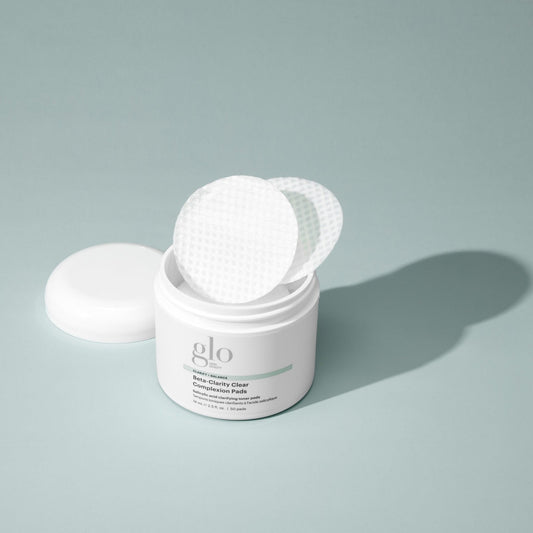

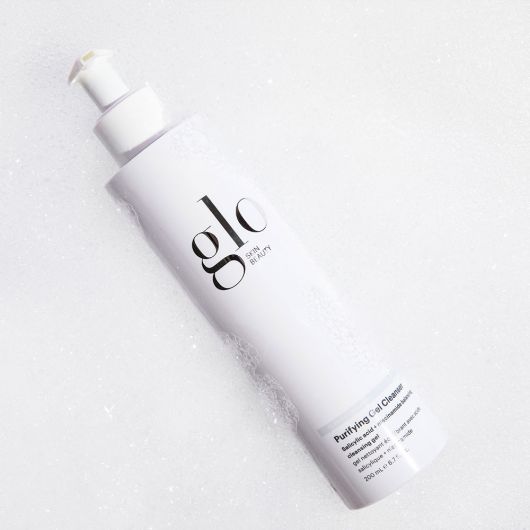




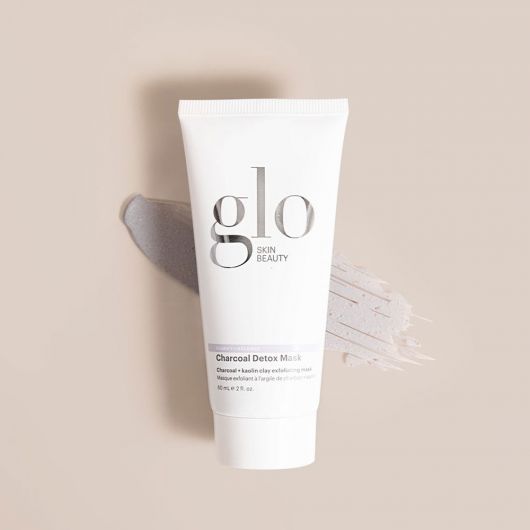


The clarifying routine, in four steps.
Cleanse
The Beta-Clarity Clear Skin Cleanser lifts daily oil and grime.
Treat
Beta-Clarity BHA Drops use salicylic acid to decongest the pore.
Balance
The Oil Free Moisturizer hydrates without adding shine.
Detox
The Charcoal Detox Mask draws out the look of congestion, once or twice a week.
Glo Skin Beauty's Clarify + Balance range, curated by the clinicians at The London Road Clinic in Newark, Nottinghamshire, helps clear the appearance of breakouts and control excess oil using salicylic acid (BHA) and charcoal across cleansers, pads, serums and masks. It's the at-home routine we recommend for congested, blemish-prone skin.
100% vegan · PETA cruelty-free · 25+ years professional heritage
Frequently asked
What's the difference between BHA and AHA for breakouts?
BHA (salicylic acid) is oil-soluble, so it gets inside the pore to clear congestion, which makes it the better fit for breakouts and blackheads. AHAs work more on the surface for tone and texture. Clarify + Balance is BHA-led for this reason.
Will these products dry out my skin?
They shouldn't. The aim is to balance oil, not strip it. Pair the clarifying steps with the Oil Free Moisturizer so skin stays hydrated, which actually helps reduce the rebound oiliness that comes from over-drying.
Are these suitable for persistent or severe acne?
These are cosmetic skincare products that help with the appearance of breakouts and congestion. Persistent, painful or cystic acne should be assessed by your GP or a dermatologist, who can advise on medical treatment alongside a supportive routine.