
Primer
Hydrating Primer is the one for dry or dehydrated skin, and the one to reach for when skin is recovering from a treatment. Mattifying Primer handles oil through the T-zone. Blurring Primer softens the look of texture and visible pores. Illuminating Primer adds light rather than coverage. The Oil Free Tinted Primer does two jobs at once and comes in a range of shades, which makes it the simplest option on a day you want very little on.
Where to start
Match the primer to your skin, not your foundation. Dry skin wants the hydrating one, oily skin the mattifying one, and most people need different ones in summer and winter.
-
Oil Free Tinted Primer - Medium 50ml
Regular price £54.00 GBPRegular price -
Blurring Primer
Regular price £44.00 GBPRegular price -
Oil Free Tinted Primer - Light 50ml
Regular price £54.00 GBPRegular price -
Oil Free Tinted Primer - Light Medium 30ml
Regular price £54.00 GBPRegular price -
Mattifying Primer
Regular price £44.00 GBPRegular price -
Oil Free Tinted Primer - Medium Deep 50ml
Regular price £54.00 GBPRegular price -
Hydrating Primer
Regular price £44.00 GBPRegular price -
Illuminating Primer
Regular price £44.00 GBPRegular price -
Oil Free Tinted Primer - Deep 50ml
Regular price £54.00 GBPRegular price


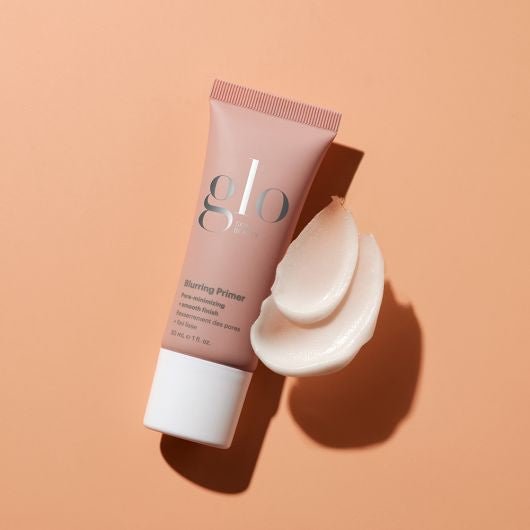


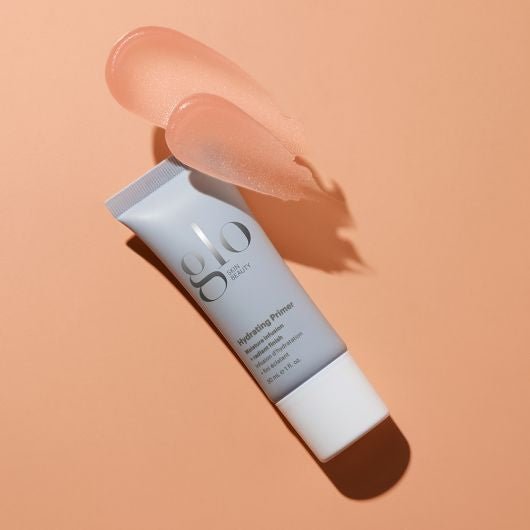

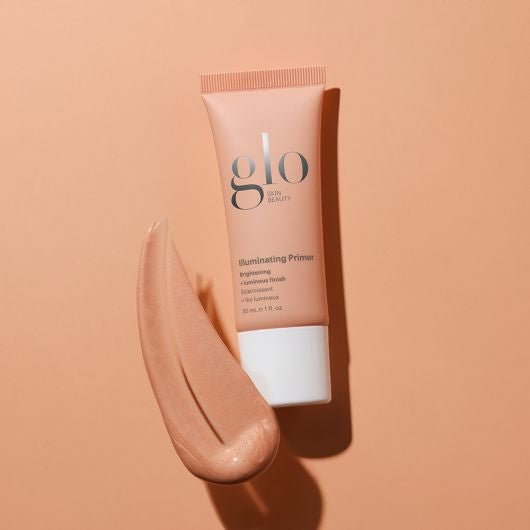


Glo Skin Beauty primers, curated by the clinicians at The London Road Clinic in Newark, Nottinghamshire, run from hydrating and blurring through to mattifying and tinted, so you can match the primer to your skin type and to the time of year rather than to the foundation going over it.
100% vegan · PETA cruelty-free · 25+ years professional heritage
Frequently asked
Do I need a primer at all?
Not always. If your base sits well and stays put, you do not need one. Primer earns its place when foundation goes patchy, slides off through the day or settles into texture, because it changes what the skin underneath is doing.
Can I use a primer on skin that has recently been treated?
A hydrating primer is usually fine once redness has settled and your practitioner is happy for you to wear makeup. Leave mattifying and blurring formulas until skin is back to normal, and press rather than rub whatever you use.
Can I wear tinted primer on its own?
Yes, and plenty of people do. The Oil Free Tinted Primer gives light coverage with a smoothing finish, which is often enough on its own for a day when you want minimal makeup.